Electrical Troubleshooting Guide: Diagnosing Power Loss and Faults
1. Diagnosing a Complete Loss of Power
If you have lost power completely, check these four common culprits first. This is often the first step in restoring supply.
Main Power Distribution: Check if the issue is with the external grid (a neighbourhood power cut) rather than your specific building.
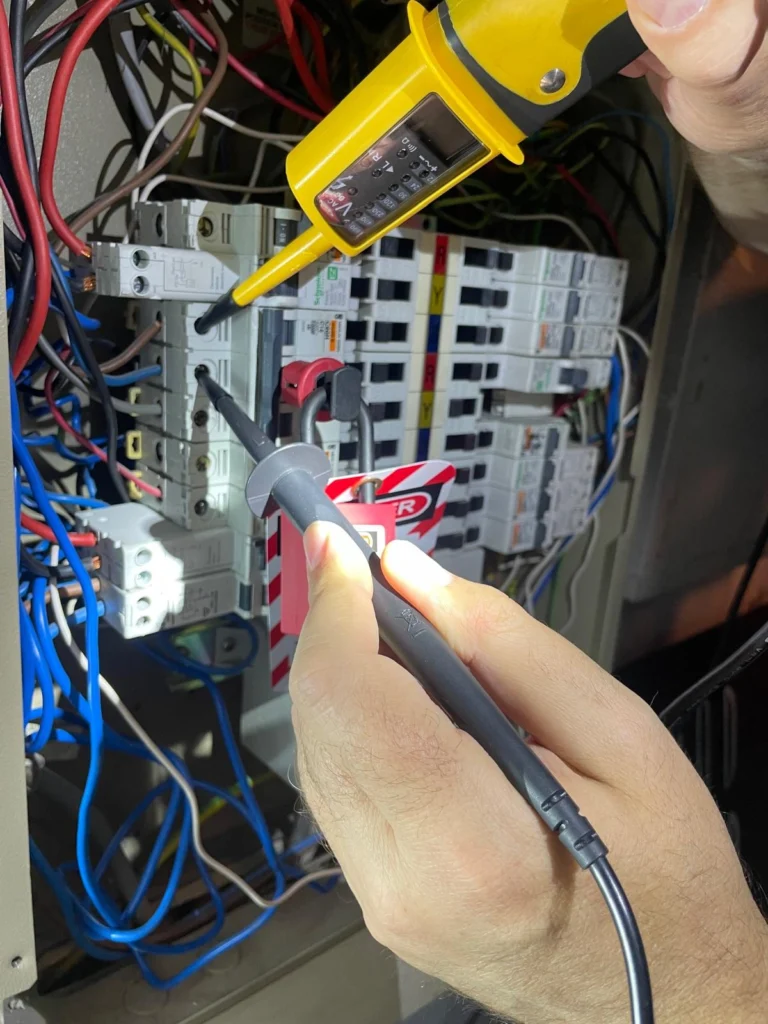
Tripped Circuit Breaker (MCB): Check your electrical panel. Has a switch flipped off? This usually happens due to an overload.
Blown Fuse: Inspect your fuse box. Look for visible damage, dark marks, or a broken internal wire.
Loose Connections: A loose wire at a terminal can break the circuit. Note: This often requires professional inspection.
2. Dangerous Warning Signs (Do Not Ignore)
Your electrical system often gives sensory warnings before a major failure. If you notice any of these, investigate immediately to prevent fire hazards:
Warm Outlets or Switches: This indicates excessive current flow or loose connections creating heat.
Burning Smells: A “fishy” or acrid plastic smell usually means insulation or components are melting.
Sparking, Arcing, or Buzzing: buzzing sounds or visible sparks indicate loose wiring or significant short circuits.
Discoloration: Look for brown or black scorch marks around outlets, which suggest long-term overheating.
3. Understanding Circuit Protection: Overloads vs. Faults
Protective devices (Breakers and Fuses) are designed to cut the power to keep you safe. They generally react to two types of issues:
A. Overload Protection (Thermal)
This happens when you ask a circuit to do more work than it was built for (e.g., plugging too many heaters into one socket).
The Cause: Current exceeds the rated capacity for a period of time.
The Mechanism: It relies on thermal effects. If things get too hot for too long, the device trips to prevent wire damage.
B. Fault Current Protection (Magnetic/Rapid)
This is a reaction to a sudden, dangerous spike in energy, such as a “direct short.”
The Cause: Abnormal conditions like Short Circuits or Ground Faults.
The Mechanism: The device must trip instantly (often using magnetic forces) to prevent immediate destruction or explosion.
4. Common Electrical Failure Modes
Here is a breakdown of specific technical faults and why they happen:
Short Circuit
A short circuit is a low-resistance path that allows too much current to flow too fast.
Causes:
Overloading: Connecting too many appliances.
Damaged Insulation: Worn wires touching each other or metal casings.
Water Damage: Water bridging the gap between conductors.
Loose Connections: Wires slipping out of place and touching.
Open Circuit
An open circuit is the opposite of a short circuit—the path is broken, and electricity stops flowing entirely.
Causes: Broken wires, faulty switches, loose terminals, or manual disconnection.
Arcing
This is electricity “jumping” through the air between two points.
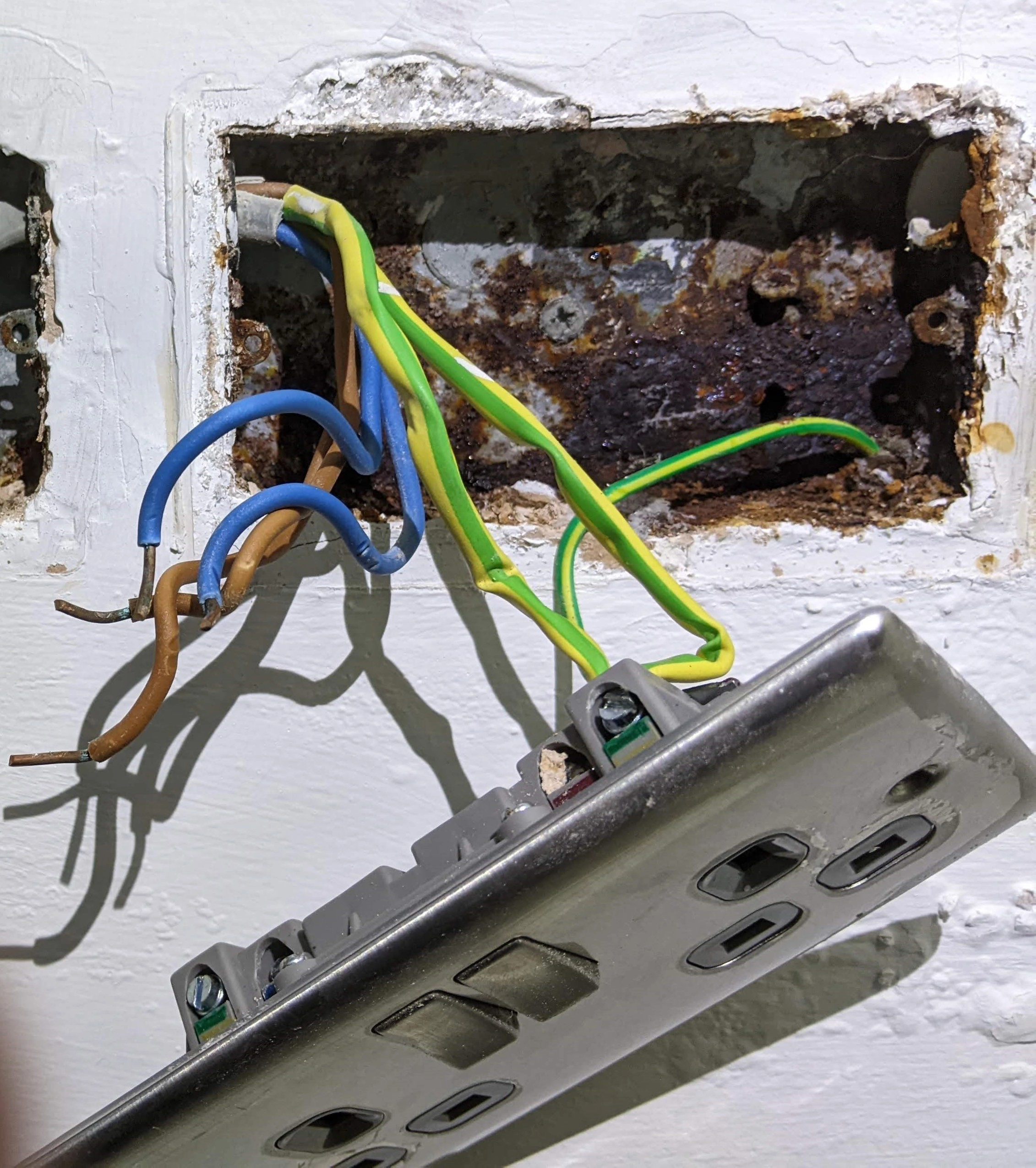
Causes: Loose or corroded wires creating a gap, frayed wiring, or breakdown of insulation.
High Resistance
Resistance impedes the flow of electricity, generating unwanted heat.
Causes: Corroded conductors, loose terminals (bad workmanship), or using wires that are too thin/long for the job.
Insulation Failure
When the protective coating around wires breaks down.
Causes:
Contamination: Dust and moisture build-up.
Temperature Cycling: Expansion and contraction causing cracks.
Voltage Spikes: Surges puncturing the insulation.
Aging: Natural degradation over time.
5. Equipment & Mechanical Failures
Sometimes the issue isn’t the wiring, but the machinery or appliances connected to it.
Why Equipment Fails
Aging: Older equipment may use outdated technology and be prone to intermittent failure.
Environmental Factors: Extreme temperatures and corrosive substances (rust/chemicals) degrade parts quickly.
Mechanical Issues: Misalignment or breakdown of moving parts leads to motor strain and higher energy consumption.
The Human Factor:
Operator Error: Improper use of machinery is a leading cause of failure. Training is essential.
Maintenance Balance:
Lack of Maintenance: leads to unexpected breakdowns.
Over-Maintenance: tampering with systems too often can cause unnecessary disruptions.
6. Transient Voltages (Power Surges)
Transients are sudden, brief spikes in voltage that can destroy sensitive electronics.
Sources: Lightning strikes, switching large motors on/off, or the operation of heavy inductive loads like transformers.